Aubergine ‘Pizza’
One of my all-time favourites – flavoursome, easy, quick and very, very filling. I promise you won’t be disappointed.
Tastes: soft, golden aubergine rounds topped with garlicky tomato and pepper, olives, basil and peppery rocket.
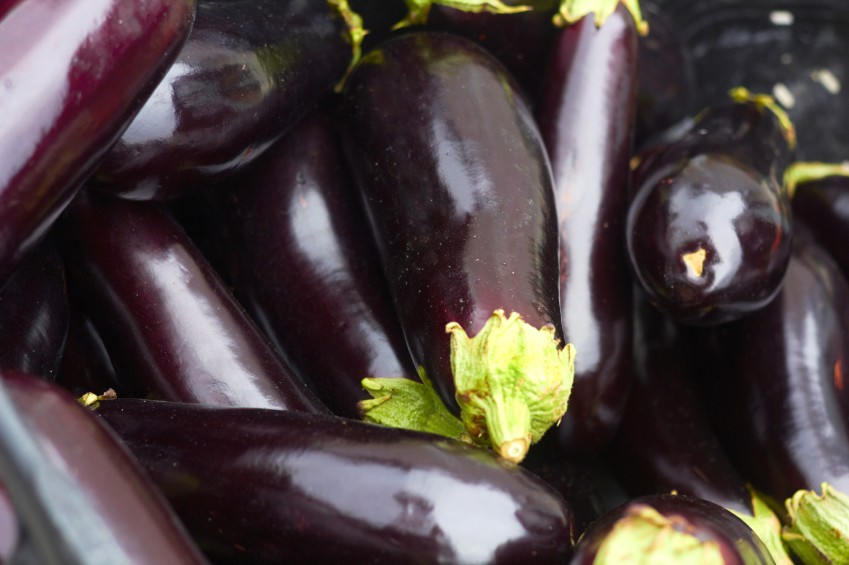
A fridge-clearing favourite
I can’t recall where I first saw this idea, but I’ve adapted it many, many times into what I think is an awesome snack, side or main. You can make as much or as little as you like.
The beauty of it is that all you need is the aubergine – then you can top it with whatever the heck you’ve got in the fridge. It’s a great way to use up the last bits and pieces before your next shop!
Why you’ll love it
- Vitamin C: more than a full day’s worth.
- About 12 g fibre a serve.
- Top it with whatever’s in the fridge.
- Snack, side or main – it works as all three.
Good for
Vitamin C, copper, vitamin B6 and folate contribute to the normal function of the immune system.
Vitamin C, manganese, copper and vitamin E contribute to the protection of cells from oxidative stress. It also contains plant compounds with antioxidant activity, including lutein, beta-carotene and lycopene.
Vitamin B6, folate, pantothenic acid and niacin contribute to the reduction of tiredness and fatigue.
Vitamin K, manganese, magnesium and phosphorus contribute to the maintenance of normal bones.
Vitamin A, riboflavin and zinc contribute to the maintenance of normal vision. It also contains lutein and zeaxanthin, the carotenoids found in the macula of the eye.
Potassium contributes to the maintenance of normal blood pressure.
Tags use approved nutrient health-claim wording, for nutrients that give at least 10% of the Daily Value per serve. Plant compounds like lutein have no Daily Value, so we only say they’re there.
Key nutrients per serve
Contains: vitamin E (27%), potassium (27%), pantothenic acid (24%), vitamin A (22%), niacin (22%), magnesium (19%), thiamin (17%), iron (17%), riboflavin (15%), phosphorus (12%), zinc (10%) and calcium (8%).
Plant compounds: lutein and zeaxanthin (about 1.4 mg), beta-carotene (about 2.1 mg), lycopene (about 5.5 mg), chlorophyll, quercetin from the onion, glucosinolates from the rocket and sulphur compounds from the garlic.
% of US Daily Value for adults, per serve (half the recipe). Estimated from USDA FoodData Central values for the ingredients as listed; cooking reduces some vitamins, so treat these as upper estimates. Uses 1 tbsp tomato paste, 30 g olives, 1 tbsp each coconut and olive oil; excludes salt and pepper; anything over 100% shows as 100%+.
Aubergine ‘Pizza’
Ingredients
Equipment
Method
- Preheat the oven to 180°C (355°F). Brush the aubergine slices with coconut oil and soften in the oven for 15–20 minutes, checking that they’re softening. In a hurry? Use a griddle pan – it only takes 5–10 minutes.
- Put the tomatoes, garlic, pepper, half the basil and the onion in a small pan with a tiny bit of coconut oil and 1 tbsp water, and soften for a minute or two.
- Spread a little tomato paste on each aubergine slice, pile the topping on, add the olives and return to the oven for about 5 minutes.
- Once it’s all looking hot and tasty, top with the rocket and remaining basil, drizzle with olive oil and season.
Notes
Swaps
- Extra protein: scatter over some white beans or crumbled tofu.
- Courgette works too, sliced lengthways.
- Pesto instead of tomato paste is lovely.
Storing it
Best fresh. The softened aubergine keeps in the fridge for 2 days.
Good to know
- High in vitamin K. If you take warfarin or another blood thinner, keep your greens intake steady and talk to your doctor before eating more leafy greens than usual.
- Olives are salty – go easy on any extra salt.
Try next
The Alkaline Life Club has everything in the Recipe Club, plus coaching, live Q&A and a community to keep you going.
See the Alkaline Life ClubSources
Nutrient values: USDA FoodData Central, SR Legacy (eggplant 169228, tomatoes 170457, garlic 169230, red pepper 170108, onion 170000, tomato paste 170459, black olives 169094, basil 172232, rocket 169387, coconut oil 171412, olive oil 171413). Plant compounds are named where the ingredient is a well-documented source; flavonoids follow the USDA Database for the Flavonoid Content of Selected Foods, Release 3.3. Daily Values: US Food and Drug Administration.